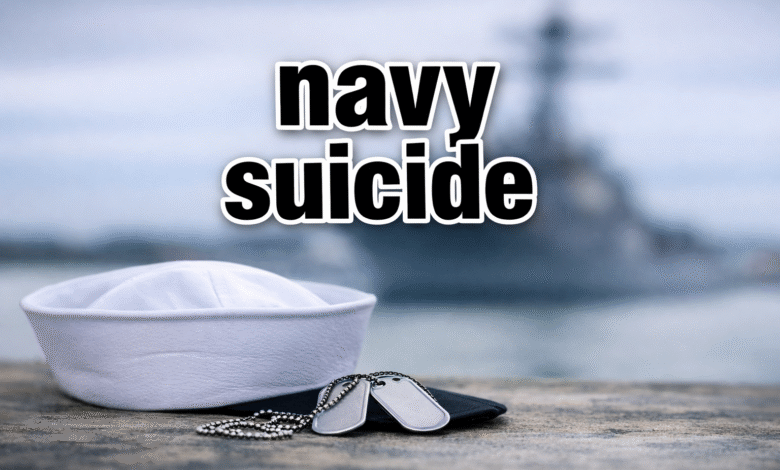
Suicide among service members is a deeply troubling issue, and the Navy is no exception. Navy suicide is a complex problem influenced by multiple factors, including mental health challenges, operational stress, and the pressures of military life. Understanding the causes, identifying warning signs, and promoting prevention strategies are essential steps in protecting those who serve our country.
The Navy, like other branches of the military, has dedicated resources to support its personnel, but awareness and proactive engagement remain critical. This article explores the realities of Navy suicide, its contributing factors, prevention methods, and the importance of a supportive environment.
The Scope of Navy Suicide
Navy suicide has been a growing concern over the past decade. While statistics fluctuate yearly, the underlying trend underscores the need for increased awareness and intervention. Service members face unique pressures, from long deployments to high-risk operational environments, which can exacerbate mental health challenges.
Mental health struggles such as depression, post-traumatic stress disorder (PTSD), anxiety, and substance abuse are common among Navy personnel. The stigma surrounding seeking help can prevent many from accessing the support they need, contributing to the risk of suicide. Recognizing the scope of the problem is the first step in addressing it.
Contributing Factors to Suicide in the Navy
Several interrelated factors contribute to Navy suicide:
Operational Stress and Deployment – Long periods away from family, dangerous missions, and high-stakes responsibilities can lead to feelings of isolation, fatigue, and emotional strain.
Mental Health Conditions – Conditions such as depression, PTSD, and anxiety disorders significantly increase the risk of suicidal behavior. Traumatic experiences, whether in combat or daily duties, can exacerbate these conditions.
Relationship and Financial Challenges – Like anyone, sailors face personal challenges, including marital problems, financial strain, and housing issues. These stressors can intensify feelings of hopelessness.
Access to Lethal Means – Military personnel often have access to firearms and other means, which can increase the lethality of suicide attempts.
Stigma and Cultural Barriers – Despite growing awareness, seeking help is sometimes perceived as a sign of weakness, discouraging sailors from reaching out for mental health support.
Warning Signs of Suicide
Recognizing early warning signs is crucial for intervention. Common indicators include:
- Withdrawal from social interactions or previously enjoyed activities
- Expressions of hopelessness or feelings of being a burden
- Sudden changes in behavior, mood, or sleep patterns
- Increased substance use
- Talking about wanting to die or self-harm
Training and education for leaders and peers to identify these signs can save lives. Navy programs encourage open communication and proactive engagement with anyone exhibiting these behaviors.
Prevention Strategies and Support Resources
The Navy has implemented multiple prevention strategies to address suicide risk:
Mental Health Services – Access to psychologists, counselors, and support groups is vital. Confidential mental health care encourages sailors to seek help without fear of career repercussions.
Peer Support Programs – Peer mentoring and support networks provide sailors with trusted individuals to confide in during times of crisis.
Leadership Training – Educating commanding officers and leaders to recognize signs of distress and take immediate action fosters a supportive environment.
Suicide Prevention Campaigns – Awareness campaigns, hotlines, and educational materials help reduce stigma and promote early intervention.
Resilience and Wellness Programs – Programs focused on stress management, physical fitness, and emotional resilience empower sailors to cope with challenges effectively.
Combining these strategies with ongoing research and community engagement strengthens the Navy’s approach to preventing suicide.
Breaking the Silence: The Role of Awareness
Addressing Navy suicide requires breaking the silence surrounding mental health. Encouraging open dialogue within units, families, and the broader military community helps dismantle stigma and fosters a culture of care.
Family members also play a crucial role. Recognizing changes in behavior and encouraging loved ones to seek support can be lifesaving. Maintaining connections during deployments and providing emotional support at home can significantly reduce feelings of isolation and despair.
Conclusion
Navy suicide is a multifaceted issue that demands attention, understanding, and action. By recognizing the contributing factors, identifying warning signs, and implementing effective prevention strategies, the Navy and its community can protect those who serve. Creating a supportive environment where seeking help is normalized can save lives and strengthen the resilience of the force.
Awareness, education, and compassion are key. Together, service members, leaders, families, and mental health professionals can make a real difference. At Tech, we emphasize the importance of shining a light on mental health challenges and providing practical guidance for those affected by Navy suicide.