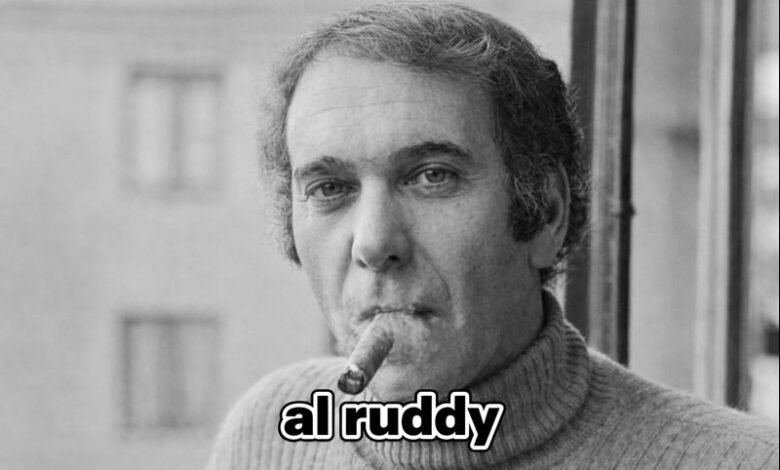
Al Ruddy’s name is often whispered in awe among film enthusiasts and industry professionals alike. Known primarily for his work on The Godfather, a cinematic masterpiece that redefined the gangster genre, Ruddy’s journey through Hollywood is as inspiring as it is impressive. From humble beginnings in Montreal to becoming one of Hollywood’s most influential producers, Ruddy’s career serves as a testament to vision, perseverance, and the art of storytelling. His impact on the film industry goes far beyond just one film, cementing his status as a key figure whose contributions continue to resonate today.
In this article, we’ll explore the multifaceted legacy of Al Ruddy — his beginnings, iconic productions, lasting influence, and the philosophy that guided his career. Whether you’re a movie buff or simply curious about the inner workings of Hollywood, understanding Ruddy’s role in shaping modern cinema is essential.
Al Ruddy’s Early Life and Entry into Hollywood
Al Ruddy’s journey into Hollywood was not marked by the usual “rags to riches” narrative; instead, it was a story of calculated risks and a unique blend of creativity and business acumen. Born in Montreal, Canada, in 1930, Ruddy didn’t initially set out to make films. In fact, he earned a degree in engineering and worked in that field for a while. But Ruddy’s true passion lay elsewhere. A lifelong love of cinema and an ambitious nature led him to leave engineering behind in favor of pursuing a career in the film industry.
In the 1960s, Ruddy moved to Los Angeles, where he started as a screenwriter. Over time, his skills and instincts as a producer became apparent, and it wasn’t long before he landed a significant project that would alter the course of his life — The Godfather. This film was not only his breakthrough but also a landmark achievement in Hollywood history, launching Ruddy into the spotlight as a force to be reckoned with in the film industry.
The Making of The Godfather: A Defining Moment
The release of The Godfather in 1972 was a pivotal moment in cinema. While the film’s director, Francis Ford Coppola, and writer Mario Puzo were key to its creation, it was Al Ruddy who played the indispensable role of producing the film. The making of The Godfather was fraught with challenges. The studio was initially hesitant about the project, especially with its heavy themes of crime and family, and the choice of Marlon Brando for the lead role was controversial. However, Ruddy’s unyielding belief in the project and his ability to manage conflict made the film a reality.
Ruddy’s role in securing funding, maintaining the film’s integrity, and handling the logistics behind the scenes ensured that the production ran smoothly, despite numerous obstacles. His keen eye for talent helped secure legendary actors, including Al Pacino, who would go on to star in the film and become a Hollywood icon. The success of The Godfather was not just a professional triumph for Ruddy; it was a defining moment in film history that demonstrated how a producer’s vision can shape the entire landscape of cinema.
The Producer’s Vision: Al Ruddy’s Influence on Hollywood
Al Ruddy’s approach to filmmaking was not just about managing budgets and schedules; it was about fostering creativity and supporting the director’s vision. He believed in giving directors the freedom to explore their ideas, trusting their artistic instincts, and working together to bring bold projects to life. This philosophy set him apart from other producers and contributed significantly to the success of films like The Godfather and later, Rocky.
In an era when many producers focused solely on profitability and adhering to rigid formulas, Ruddy took risks that ultimately paid off. He was not afraid to tackle unconventional subjects, invest in bold filmmakers, or support projects that other studios might have dismissed. His ability to merge artistic vision with commercial success became his hallmark, influencing countless producers in Hollywood who followed his example of balancing creativity with practicality.
Al Ruddy and the Rise of Film Franchises
Ruddy’s impact on the film industry is also seen in his role in the creation and development of iconic film franchises. Beyond The Godfather, Ruddy played a pivotal role in producing the Rocky films, a beloved franchise that transformed Sylvester Stallone from an unknown actor into an international star. Like The Godfather, Rocky was a story of an underdog, and Ruddy recognized its potential to resonate with audiences on a deep, emotional level. His ability to identify such stories and bring them to the big screen was one of the key factors that contributed to the lasting success of these franchises.
Ruddy’s influence can also be seen in the way he embraced the changing landscape of cinema in the 1980s and beyond. His work with the Cannon Group demonstrated his ability to produce films that were both commercially successful and critically impactful, contributing to the rise of independent cinema and the more flexible filmmaking environment that followed.
Al Ruddy’s Enduring Legacy in the Film Industry
While Al Ruddy is not as publicly prominent today as he once was, his legacy continues to shape the film industry. His approach to filmmaking — one that values collaboration, risks, and creative freedom — is still an influential model for producers and filmmakers. Even as the industry has evolved, Ruddy’s work remains a benchmark for those striving to make films that both entertain and challenge audiences.
In recent years, Ruddy’s legacy has been celebrated in various forms, including the TV series The Offer, which dramatizes the making of The Godfather and highlights Ruddy’s central role in the film’s success. These projects have allowed a new generation of viewers to understand the importance of Ruddy’s contributions and appreciate his place in Hollywood history.
Conclusion
Al Ruddy’s career is a prime example of how one person can shape the course of an entire industry. His influence stretches far beyond his work on The Godfather; it includes his ability to spot raw talent, take calculated risks, and trust in the creative vision of directors. Ruddy helped redefine what it means to be a film producer and his impact continues to be felt in the films we watch today. For anyone looking to understand the heart and soul of Hollywood, Al Ruddy’s legacy offers invaluable lessons.
If you’re fascinated by Hollywood history and want to learn more about the filmmakers who helped shape the industry, explore more articles on Techstrand.
FAQs
1. What made Al Ruddy such a successful film producer?
Al Ruddy’s success can be attributed to his unique ability to blend creativity with business acumen. He trusted directors, took risks on unconventional projects, and ensured that films stayed true to their vision.
2. What is Al Ruddy’s most famous film?
Ruddy is most famous for producing The Godfather (1972), a film that revolutionized the crime genre and became one of the most iconic films of all time.
3. How did Al Ruddy contribute to the making of The Godfather?
Ruddy secured financing, navigated creative differences, and brought together a talented cast and crew, ensuring the film stayed true to its artistic vision despite numerous challenges.
4. What other films did Al Ruddy produce?
In addition to The Godfather, Ruddy produced films like Rocky (1976), Million Dollar Baby (2004), and several films under the Cannon Group.
5. How has Al Ruddy influenced modern filmmaking?
Ruddy’s approach to filmmaking, which emphasized creative freedom, collaboration, and risk-taking, continues to inspire producers and filmmakers today. His work set a new standard for balancing artistic integrity with commercial success.