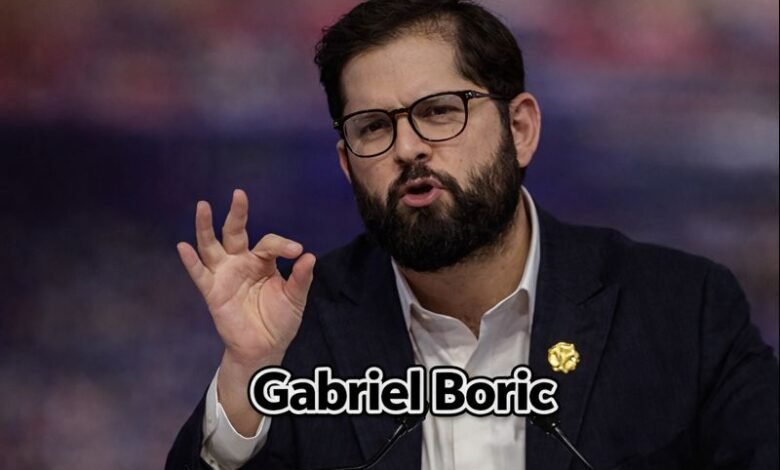
Chile, a country known for its dynamic political history, recently welcomed a new chapter in its leadership with the election of Gabriel Boric as president. At just 35 years old, Boric’s victory in 2022 marked a transformative moment in Chile’s political landscape, reflecting a shift toward progressive values and youth-driven reform. His rise to power, from student activist to the youngest president in Chile’s history, is a testament to the growing desire for change in a country that has long struggled with inequality. In this article, we’ll explore who Gabriel Boric is, the path he took to the presidency, his political vision, and the challenges he faces as he leads Chile through a period of transformation.
Gabriel Boric: The Path from Activism to Politics
Gabriel Boric was born in 1986 in Punta Arenas, Chile. Coming from a middle-class background, Boric was no stranger to the inequalities that existed in the country. His first major political involvement came during his university years, where he studied at the University of Chile. It was there that he became deeply involved in the 2011 student protests, which were sparked by demands for more affordable and accessible education. These protests quickly gained national attention and saw Boric emerge as one of its most recognizable leaders.
The 2011 protests were a crucial turning point in Chilean politics, signaling a wave of activism that would shape the country’s future. Boric’s role in organizing and leading the protests propelled him into the political spotlight, where he began to advocate for broader social and economic changes. Over the next few years, Boric co-founded political movements that aligned with the progressive values he held, culminating in his decision to run for the presidency in 2021.
Boric’s Political Campaign: A Vision for Change
Boric’s presidential campaign was rooted in his desire to address the long-standing issues of inequality, corruption, and environmental degradation in Chile. His platform promised sweeping reforms aimed at achieving a more inclusive society. As a progressive leader, Boric’s policies were focused on improving public services, tackling climate change, and ensuring that the benefits of economic growth were more evenly distributed across the population.
His appeal to younger voters, many of whom felt alienated from the political establishment, was crucial to his success. Boric’s message resonated with those who were tired of the status quo and sought a leader who would challenge the entrenched political elites. His campaign, which combined a mix of traditional campaigning and innovative digital strategies, highlighted issues such as increasing social welfare, reforming the pension system, and strengthening human rights protections.
One of Boric’s most significant proposals was the introduction of a new constitution, which would address the social and economic disparities that had been entrenched in Chile’s existing system since the dictatorship era. His promise to implement more sustainable policies and invest in renewable energy was also a key element of his platform.
Gabriel Boric’s Presidency: Policy Focus and Achievements
Upon taking office, Gabriel Boric wasted no time in laying out the foundation for his agenda. His government has made several moves toward implementing policies that reflect his progressive values. One of the most notable areas of focus for Boric has been addressing climate change. Under his leadership, Chile has committed to reducing carbon emissions and transitioning to a greener economy. Boric’s administration has pushed for the expansion of renewable energy sources and has set ambitious targets for reducing the country’s reliance on fossil fuels.
In addition to environmental issues, Boric’s presidency has been marked by efforts to reform Chile’s pension system. The existing system has long been criticized for failing to provide sufficient support for retirees, with many Chileans facing poverty after retirement. Boric has promised to make changes to the system that would better protect the economic security of the country’s elderly population.
Furthermore, Boric has been committed to advancing gender equality, LGBTQ+ rights, and policies that address income inequality. By focusing on these issues, his presidency represents a significant departure from previous administrations, which were often more conservative in their approach.
Challenges Faced by Gabriel Boric
Despite his popularity and the clear mandate for reform, Boric’s presidency has not been without its challenges. One of the most significant hurdles he faces is balancing his ambitious reform agenda with the country’s economic realities. Chile has long faced challenges related to income inequality, and Boric’s proposals to increase social spending and reform the pension system have raised concerns about the potential economic impact.
Additionally, Boric’s progressive policies have attracted criticism from some conservative sectors of society. Many argue that his approach may be too radical and could alienate business interests that are crucial to the country’s economic stability. In particular, his focus on expanding public services and social welfare has raised questions about how to finance such extensive changes.
Another challenge Boric faces is maintaining the political unity of his coalition. While his progressive values have won him support from a broad segment of the population, the diverse nature of his political coalition means that internal disagreements are inevitable. Navigating these tensions while pushing through reforms is one of the key challenges Boric must address.
The Future of Chile Under Boric’s Leadership
As Gabriel Boric continues his presidency, the eyes of both Chileans and the global community are on him. His leadership represents an opportunity for Chile to break free from the constraints of its past and build a more just and sustainable future. However, the success of his presidency will depend on his ability to navigate the complex political landscape, address economic challenges, and unite the country around his vision for change.
Boric’s tenure will likely be marked by ongoing debates about the balance between social reform and economic stability, as well as how to ensure that Chile’s young population remains engaged in the political process. If Boric is able to successfully implement his reforms while managing the complexities of governance, his presidency could pave the way for a new era in Chilean politics.
Conclusion
Gabriel Boric’s rise to the presidency is not just a personal victory but a symbol of the shifting political tides in Chile. His progressive policies and commitment to social change have already set him apart from previous leaders, and his ability to bring about meaningful reforms will be closely watched. As Chile continues to navigate the challenges of the 21st century, Boric’s leadership may prove to be a defining factor in the country’s path forward.
For more insights on global leadership and political movements, visit Techstrand, where we explore the latest developments in political reform and leadership.
FAQs
- Who is Gabriel Boric?
Gabriel Boric is the president of Chile, elected in 2022. He is a former student leader and activist, known for his progressive policies on social justice and environmental sustainability. - What were Boric’s key campaign promises?
Boric’s campaign focused on social reform, including improving healthcare and education, tackling income inequality, and addressing climate change through sustainable policies. - What challenges does Boric face as president?
Boric faces challenges related to balancing ambitious reforms with economic realities, criticism from conservative sectors, and managing the diversity within his political coalition. - What are Boric’s policies on climate change?
Boric has prioritized environmental sustainability, including reducing carbon emissions, promoting renewable energy, and ensuring a transition to a greener economy. - How has Boric’s presidency impacted Chile?
Boric’s presidency has introduced progressive reforms that aim to reduce inequality and improve public services, while also facing challenges related to political and economic pressures.