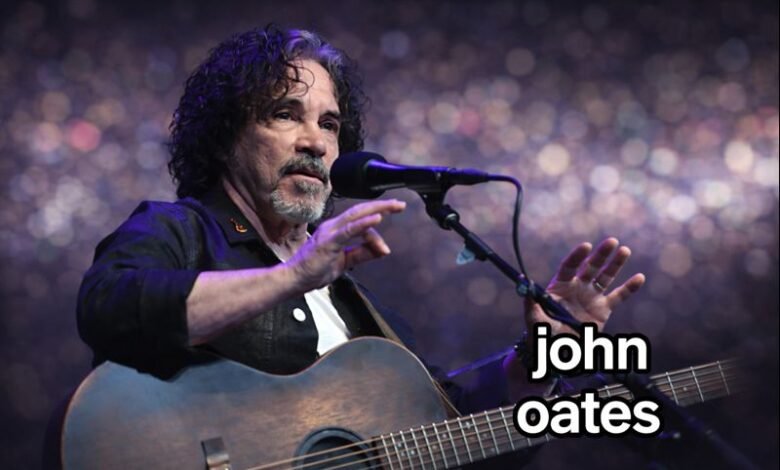
John Oates, a name that might not always come first when people think of Hall & Oates, holds a critical role in the success of the iconic duo. Oates, known for his exceptional guitar skills, harmonies, and songwriting contributions, played a crucial part in crafting the unmistakable sound that dominated the pop charts during the ’70s and ’80s. But his impact doesn’t end with Hall & Oates. As a solo artist, Oates carved his own path, proving that his talents stretched far beyond the confines of the duo. This article explores the legacy of John Oates, his role in the history of pop music, and his continuous influence on modern sound.
The Birth of Hall & Oates
Before John Oates embarked on his solo career, he was part of one of the most successful musical duos in history—Hall & Oates. Formed in 1970, the duo blended rock, soul, and rhythm and blues, creating a sound that was as timeless as it was revolutionary. Daryl Hall’s powerful vocals combined with Oates’ intricate guitar playing and harmony vocals to form a distinctive style. Hits like “Private Eyes,” “Maneater,” and “You Make My Dreams” became anthems of the era, thanks in large part to the chemistry between the two musicians.
The duo’s ability to experiment with genres, from soul to rock and pop, gave their music broad appeal. While Hall often took the spotlight with his distinctive voice, Oates’ contributions were equally important in shaping the sound that made Hall & Oates one of the best-selling music artists of all time.
John Oates’ Role in Hall & Oates’ Success
While Daryl Hall’s vocal prowess was central to Hall & Oates’ success, Oates’ role as the band’s guitarist, co-vocalist, and songwriter cannot be overstated. His guitar playing was often the backbone of their tracks, giving the music its signature rhythmic feel. Beyond his musicianship, Oates also contributed heavily to the songwriting process, crafting some of their most memorable melodies.
Oates’ sound and style were particularly evident in tracks like “I Can’t Go for That (No Can Do)” and “Out of Touch.” His rhythmic guitar strumming and harmonies created a deep, rich texture that made the songs stand out. His contributions were subtle but pivotal in giving Hall & Oates their signature sound, with a perfect balance of vocal harmony, instrumental finesse, and catchy hooks.
A New Chapter: Oates’ Solo Career
After achieving global success with Hall & Oates, John Oates ventured into a solo career that allowed him to explore different genres and musical styles. His solo work has included elements of folk, blues, and Americana, showcasing a more personal and intimate side of the artist.
Oates’ first solo album, Phunk Shui, released in 2002, marked a departure from the pop-soul sound of Hall & Oates and explored a fusion of funk, rock, and blues. Though not as commercially successful as his work with Hall & Oates, the album was a critical success, with Oates receiving praise for his artistry and musicianship. Over the years, Oates has continued to release solo work that reflects his ever-evolving musical journey.
John Oates’ Impact Beyond the Stage
While Oates is best known for his music, his influence extends beyond his performances and recordings. Over the years, he has collaborated with numerous artists across genres, proving that his musical impact goes far beyond his partnership with Daryl Hall. His collaborations include working with rock legends like Eric Clapton, and he has also ventured into the world of country and folk music.
His ability to adapt to changing musical landscapes and his willingness to experiment with different styles ensure that Oates’ legacy is far-reaching. His influence continues to be felt not just by fans of Hall & Oates, but also by newer generations of musicians who admire his versatility and craftsmanship.
Conclusion
John Oates may have initially gained fame as one-half of Hall & Oates, but his career is defined by much more than his work in the duo. From his innovative guitar playing to his songwriting and solo achievements, Oates has proven to be one of the most influential musicians of his generation. His versatility and ability to blend various genres have left a lasting mark on the music industry. As he continues to evolve as an artist, John Oates remains a key figure in both pop and rock music, inspiring countless artists and fans around the world.
For more in-depth insights into musical icons and the latest trends in the music world, make sure to check out Techstrand, your go-to blog for everything music-related.
FAQs
1. What made John Oates so essential to Hall & Oates’ success?
John Oates brought his unique guitar skills, harmonies, and songwriting contributions to Hall & Oates, helping to create their distinctive sound.
2. Did John Oates have a successful solo career?
Yes, although not as commercially successful as his work with Hall & Oates, Oates’ solo career has received critical acclaim, with albums like Phunk Shui showcasing his artistic range.
3. What genres did John Oates explore in his solo work?
Oates explored a variety of genres in his solo career, including folk, blues, Americana, and funk.
4. Has John Oates collaborated with other artists?
Yes, Oates has collaborated with a range of musicians, including rock legends like Eric Clapton, and has explored various musical styles through these collaborations.
5. How has John Oates influenced modern music?
John Oates’ ability to blend genres, experiment with new sounds, and contribute to groundbreaking music has made him an enduring influence on both pop and rock music today.