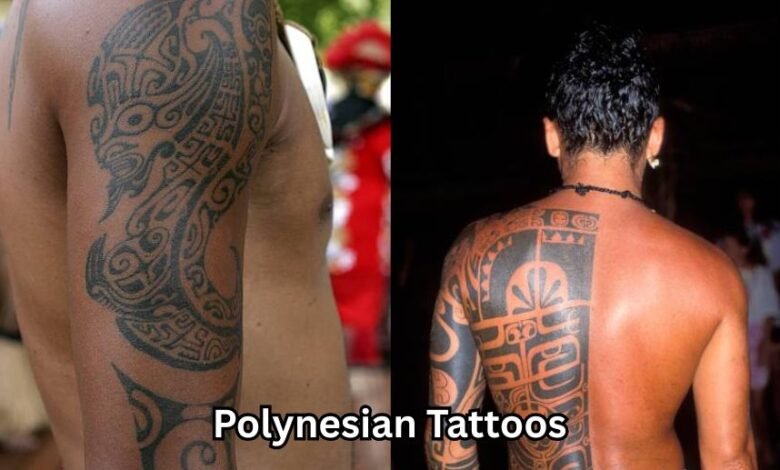
Polynesian tattoos are more than just body art—they are a rich tapestry of culture, identity, and tradition. From the islands of Samoa, Tahiti, and Hawaii to modern tattoo studios worldwide, these intricate designs carry deep meanings and centuries of heritage. In this article, we explore the history, symbolism, and contemporary appeal of Polynesian tattoos, helping you understand why they remain one of the most iconic tattoo styles today.
The History of Polynesian Tattoos
Polynesian tattoos date back thousands of years, long before the art form spread globally. In Polynesian culture, tattoos were not just decorative—they were a language, a social marker, and a spiritual expression. Each tattoo told a story about the wearer’s ancestry, social status, achievements, and personal beliefs.
The term “tattoo” itself originates from the Polynesian word “tatau,” reflecting the rhythmic tapping technique used to create these intricate patterns. Traditionally, the tattooing process was performed by skilled practitioners using handmade tools, carefully applying ink into the skin. These sessions were considered sacred ceremonies, often accompanied by chants and rituals to honor the gods and ancestors.
Symbolism Behind Polynesian Tattoos
Every line, curve, and pattern in a Polynesian tattoo has a meaning. Unlike modern tattoos, which often focus on aesthetics, Polynesian tattoos serve as a narrative of personal identity and life experiences. Common motifs include:
- Enata: Human-like figures representing people, ancestors, and social connections.
- Tiki: Depictions of deified ancestors, providing protection and guidance.
- Spearheads: Symbols of courage, strength, and warrior spirit.
- Ocean Waves: Representing life’s journey, change, and adaptability.
- Sharks and Shark Teeth: Denoting protection, guidance, and adaptability.
The placement of the tattoo also carries significance. For example, tattoos on the chest might symbolize bravery and leadership, while tattoos on the arms or legs could reflect strength and endurance. This attention to detail ensures that every Polynesian tattoo is highly personal and meaningful.
Styles and Regional Variations
Polynesian tattoos are not monolithic—they vary widely across different island cultures. Samoan tattoos, known as “Pe’a” for men and “Malu” for women, are among the most famous, covering large parts of the body with dense geometric patterns. Tahitian tattoos often emphasize floral motifs and natural forms, blending with the wearer’s anatomy. Hawaiian tattoos traditionally use bold, linear designs to tell stories of lineage and personal achievement.
Despite regional differences, all Polynesian tattoos share common traits: geometric shapes, repetitive patterns, and deep cultural symbolism. Modern tattoo artists often combine these traditional elements with contemporary techniques to create designs that honor the culture while appealing to today’s aesthetic preferences.
Polynesian Tattoos in Modern Culture
Over the past few decades, Polynesian tattoos have gained popularity worldwide. Celebrities, athletes, and public figures have helped bring attention to these intricate designs, but true appreciation requires understanding their cultural significance. While modern tattooing often focuses on visual appeal, Polynesian tattoos remain a connection to heritage, ancestry, and identity.
Contemporary tattoo artists are mindful of cultural respect, often studying Polynesian history and working closely with clients to ensure the design reflects personal meaning without misappropriation. This approach allows Polynesian tattoos to thrive as both a respected art form and a source of inspiration for tattoo enthusiasts globally.
Choosing Your Polynesian Tattoo
If you’re considering a Polynesian tattoo, research and reflection are crucial. Begin by exploring the symbols and motifs that resonate with your personal story. Collaborate with an artist experienced in Polynesian designs to create a piece that honors the tradition while expressing your individuality.
Placement is another important factor—larger designs work well on the chest, back, or arms, while smaller motifs can fit on wrists, ankles, or shoulders. Remember, Polynesian tattoos are not just decorative—they are deeply personal expressions, carrying meaning that goes beyond the surface.
Conclusion
Polynesian tattoos represent a beautiful fusion of art, culture, and personal identity. Their intricate patterns tell stories of ancestry, bravery, and life’s journey, making each tattoo uniquely significant. As interest in these designs continues to grow worldwide, it’s essential to approach them with respect and understanding of their cultural roots. Whether traditional or modernized, Polynesian tattoos remain a timeless form of self-expression and storytelling.
For more insights into design, culture, and technology-inspired creativity, visit my blog Techstrand, where we explore trends that blend tradition with innovation.